Water Resistant vs Water-Resistant Tent Fabrics: What Every Camper Needs to Know
You have actually lastly located the best campsite, pitched your outdoor tents, and crawled right into your sleeping bag-- just to get up at 2 a.m. to the sound of rainfall pattering overhead. Because moment, the distinction between a water resistant and a water-resistant camping tent isn't just a triviality. It's the difference between a completely dry night and an unpleasant one.
These two terms obtain used mutually in gear shops and item listings at all times, however they imply very various points. Comprehending the distinction before you acquire can conserve you a soggy, aggravating experience in the field.
What Does Water-Resistant In Fact Mean?
Waterproof materials are treated with a covering called DWR-- Durable Water Repellent. This coating triggers water to bead up and roll off the surface of the material rather than saturating straight with. It works in light rainfall or brief drizzle, and it functions well enough for brief exposure to wetness.
The catch is that DWR therapies wear away. Duplicated usage, washing, compression in a stuff sack, and UV direct exposure all degrade the finishing with time. Once it's gone, the fabric begins to "damp out," implying it soaks up water instead of repelling it. The fabric does not promptly leak, yet it ends up being heavier, sheds breathability, and at some point water can push with under continual pressure.
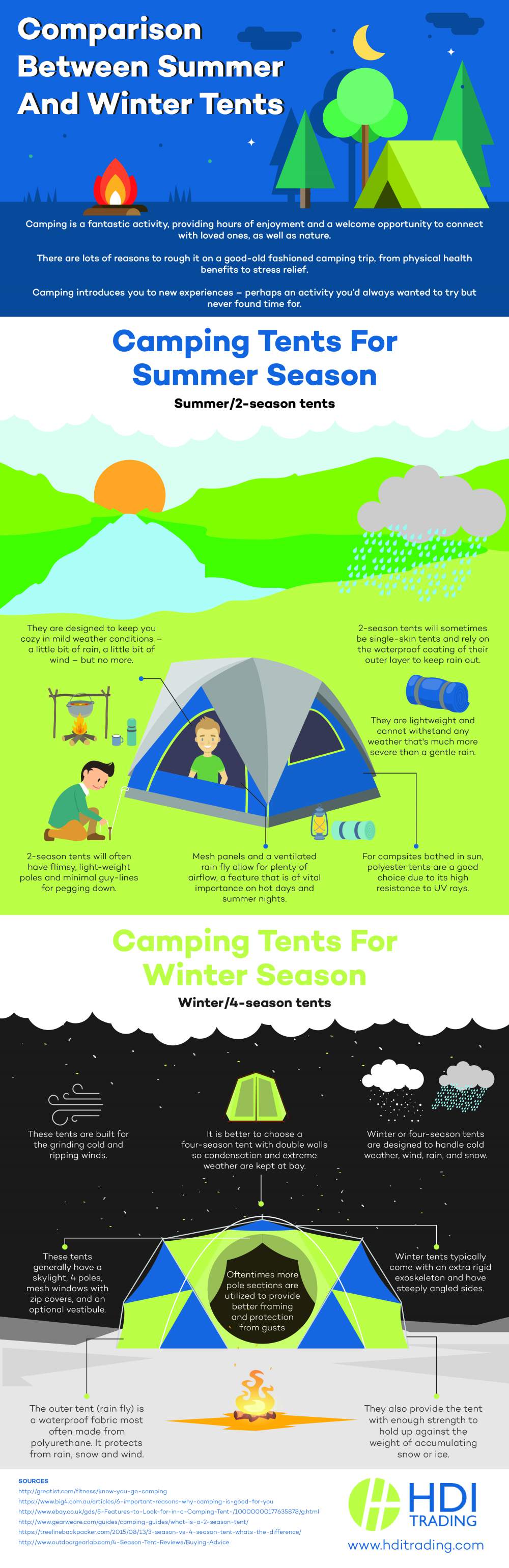
Water-resistant camping tents are normally lighter and less expensive than their water resistant equivalents. They're a practical choice for fair-weather camping or short summertime journeys where hefty rainfall is unlikely. But they are not developed for tornados.
What Makes an Outdoor Tents Truly Waterproof?
A water resistant camping tent goes numerous actions further. The fabric is generally built with a polyurethane (PU) or silicone finish related to the internal surface area of the fly, producing an obstacle that proactively blocks water from passing through. The crucial statistics below is hydrostatic head rating, measured in millimeters (mm).
This score informs you how much water pressure the fabric can hold up against before it begins to leakage. A column of water is basically piled on top of the material, and the elevation at which dripping starts is the hydrostatic head score.
Recognizing Hydrostatic Head Ratings
Here's a rough overview to what those numbers suggest in practice:
- 1,000-- 1,500 mm: Suitable for light rain only-- basically waterproof region
- 1,500-- 3,000 mm: Helpful for modest rainfall and basic three-season outdoor camping
- 3,000-- 5,000 mm: Superb for hefty rainfall and revealed problems
- 5,000 mm and over: Created for extreme weather condition, towering atmospheres, and prolonged expeditions
Many quality three-season tents sit in the 1,500-- 3,000 mm array. If you're camping in the Pacific Northwest, Scotland, or hilly areas where continual downpours are the norm, you'll want to intend higher.
Seam Sealing and Why It Matters
A water-proof textile alone isn't sufficient. Every needle hole from stitching is a potential entry factor for water. That's why absolutely water resistant camping tents use taped or seam-sealed construction, where strips of waterproof tape are adhered over every joint on the fly and typically the floor as well.
Budget outdoors tents often miss this step or only partly tape joints. If you're purchasing a new outdoor tents, examine whether the seams are fully taped. If you're upgrading an older tent, you can apply seam sealer on your own-- it's inexpensive and can make a substantial distinction in performance.
The Flooring Is a Various Story
Don't forget the camping tent floor. While the fly takes the rainfall, the floor takes direct ground stress-- which is a a lot more demanding examination of waterproofing. An individual kneeling or relaxing can put in 10,000 mm of pressure or even more on the floor fabric.
Excellent camping tent floors commonly bring ratings of 5,000 mm or greater for this reason. A bathtub-style floor, where the water-proof product prolongs several inches up the sidewalls, includes added defense versus pooling water and ground infiltration.
Which Should You Select?
The best selection boils down to where and when you camp. For weekend journeys in best camp toilet moderate summer problems, a water-resistant tent may offer you simply great and save you money and pack weight. However if you camp frequently, endeavor into unpredictable climate, or hang out in wetter environments, a correctly water resistant outdoor tents with a strong hydrostatic head score and completely taped seams is worth every additional buck.
Gear stops working at the most awful times. Recognizing exactly what your outdoor tents is-- and isn't-- developed to take care of ways you can load with confidence and rest soundly, rain or shine.